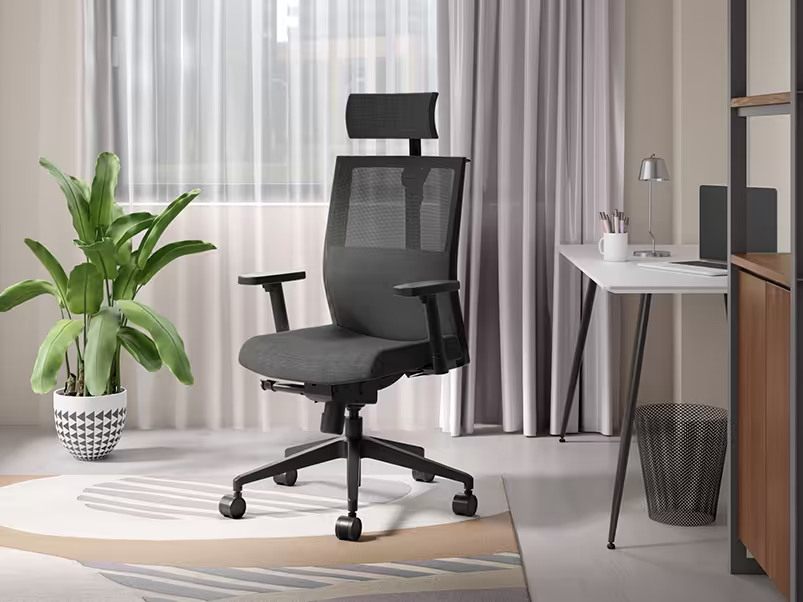
Chairs with adjustable seat angles provide significant advantages that go beyond simple comfort. These innovative seating solutions are designed to improve ergonomics, boost productivity, and promote health and well-being. In this comprehensive guide, we explore the numerous benefits of chairs with adjustable seat angles and their impact on various user groups.
Ergonomic Principles and Adjustable Seat Angles
Ergonomic seating is critical in promoting proper posture, reducing muscle strain, and improving overall comfort. Chairs with adjustable seat angles align with core ergonomic principles:
Enhanced Adjustability for Customized Comfort
One of the primary advantages of chairs with adjustable seat angles is their ability to customize seating positions. Users can modify the seat angle to suit their unique body shape, size, and comfort preferences. This adaptability ensures a neutral posture, which is vital in reducing stress on the spine, hips, and pelvis.
Maintaining Natural Spinal Curvature
By adjusting the seat angle, users can maintain the natural 'S' shape of the spine. This position reduces the risk of spinal misalignment, slumping, or excessive pressure on the lower back. A proper seat angle adjustment supports the lower lumbar region, ensuring the spine maintains its ideal curvature.
Encouraging Dynamic Seating
Chairs with adjustable seat angles promote dynamic seating, which allows users to shift postures throughout the day. This movement supports natural body motions, reducing stiffness and lowering the risk of developing musculoskeletal issues.
Health Benefits of Chairs with Adjustable Seat Angles
Incorporating adjustable seat angles into ergonomic chair designs offers a range of health benefits that contribute to improved physical well-being.
Improved Posture and Spinal Health
Adjustable seat angles encourage proper spinal alignment by allowing the pelvis to tilt slightly forward. This minimizes slouching, reduces lumbar stress, and helps position the head naturally over the shoulders, reducing neck strain. Correct posture plays a crucial role in preventing long-term spinal damage.
Enhanced Upper Limb Dexterity
Research indicates that seating with a 30° forward tilt significantly improves upper limb control during seated tasks. This angle enhances motor performance by encouraging a natural arm posture, reducing strain on the shoulders and improving fine motor skills.
Reduced Muscle Fatigue
Chairs with adjustable seat angles allow users to shift positions throughout the day. This flexibility reduces muscle fatigue, particularly in the lower back and core muscles. Dynamic movement minimizes stiffness and prevents conditions like chronic back pain.
Improved Blood Circulation
Static sitting positions can impair blood circulation, particularly in the lower extremities. Adjustable seat angles encourage movement, enhancing blood flow and reducing pressure on the thighs. This improved circulation decreases the risk of conditions like deep vein thrombosis (DVT).
Productivity Improvements with Adjustable Seat Angles
The benefits of ergonomic seating extend beyond health. Chairs with adjustable seat angles have a profound impact on workplace efficiency and task performance.
Increased Focus and Energy Levels
Better posture facilitated by adjustable seat angles improves oxygen flow and reduces energy expenditure caused by poor posture. When the body is properly aligned, fewer muscles are overworked, resulting in reduced fatigue and better mental focus.
Enhanced Work Efficiency
Studies reveal that employees who use ergonomic chairs with adjustable features experience a 65% productivity increase. Proper posture and comfort minimize discomfort, allowing individuals to concentrate better and perform tasks efficiently.
Long-term Productivity Gains
Research from the "Stand Up to Work" study found that participants using adjustable seating solutions reported a 17% reduction in sitting time and a 65% productivity boost over a year. This demonstrates how adjustable seating solutions promote consistent focus and engagement over time.
Benefits for Specific User Groups
Chairs with adjustable seat angles cater to diverse user groups, offering tailored solutions that address specific needs.
Office Workers
For individuals who spend extended hours at a desk, adjustable seat angles help maintain proper posture, reducing the risk of musculoskeletal discomfort. These chairs also lower the likelihood of developing chronic back pain by supporting optimal spinal alignment throughout the workday.
People with Back Problems
Individuals experiencing chronic back issues, such as lumbar spinal stenosis or sciatica, benefit greatly from adjustable seating. The ability to tilt the seat reduces pressure on sensitive spinal areas, providing pain relief and enhancing comfort.
Elderly Users
Older adults often experience reduced flexibility and muscle strength. Chairs with adjustable seat angles provide additional support when sitting down or standing up, improving mobility and reducing the risk of falls. This support ensures elderly individuals can maintain independence while remaining comfortable and safe.
Choosing the Right Chair with Adjustable Seat Angles
When selecting a chair with adjustable seat angles, consider the following features for optimal comfort and performance:
- Smooth Adjustment Mechanism: Ensure the chair's adjustment controls are easy to use for precise angle customization.
- Durable Construction: Look for chairs designed with robust materials to ensure longevity and reliable performance.
- Ergonomic Support Features: Features such as lumbar support, armrests, and padded seats further enhance comfort and posture control.
- Breathable Fabrics: Chairs with mesh backrests and ventilated seating surfaces reduce heat buildup, enhancing comfort during long hours of sitting.
Top 5 Chairs from Chairwale with adjustable seat angles
Chairs with adjustable seat angles are a versatile and effective solution for enhancing comfort, improving health outcomes, and boosting workplace productivity. By promoting proper posture, reducing muscle fatigue, and supporting dynamic movement, these innovative seating solutions cater to the diverse needs of office workers, individuals with back problems, and elderly users. Investing in adjustable seating is a strategic choice that enhances both individual well-being and organizational success. Here are 5 chairs from Chairwale that feature adjustable seat angles, perfect for enhancing comfort and ergonomics:
A4002 - Kruzz High Back Chair
- List Price: ₹6000
- Your Price: ₹5800
- Bulk Price (10+ Chairs): ₹5700 each
- Guarantee: 1 Year
- Color Options: Available
A2079 - BOOST High Back Chair
- List Price: ₹13000
- Your Price: ₹12500
- Bulk Price (10+ Chairs): ₹12300 each
- Guarantee: 1 Year
A6004 - Wiper High Back Chair
- List Price: ₹9000
- Your Price: ₹8500
- Bulk Price (10+ Chairs): ₹8300 each
- Guarantee: 1 Year
- Color Options: Available
A1054 - Royal High Back Chair
- List Price: ₹7000
- Your Price: ₹6500
- Bulk Price (10+ Chairs): ₹6300 each
- Guarantee: 1 Year
- Color Options: Available
A6016 - Eagle High Back Chair
- List Price: ₹7000
- Your Price: ₹6500
- Bulk Price (10+ Chairs): ₹6300 each
- Guarantee: 1 Year
- Color Options: Available
For more details or to make a purchase, you can visit Chairwale or contact their customer service for assistance.